
AI vs Manual Expense Approval: The Real Time Comparison
Data-backed guide for manager-led teams of 10-50.
AI vs Manual Expense Approval: A Manager's Guide to Streamlining Processes
As a manager, you understand the importance of efficient expense approval processes in maintaining a smooth and productive work environment. Traditional manual expense approval methods have been the norm for many organizations, but with the advent of Artificial Intelligence (AI), it's time to reassess and consider the benefits of automating this process.
The Costs of Manual Expense Approval
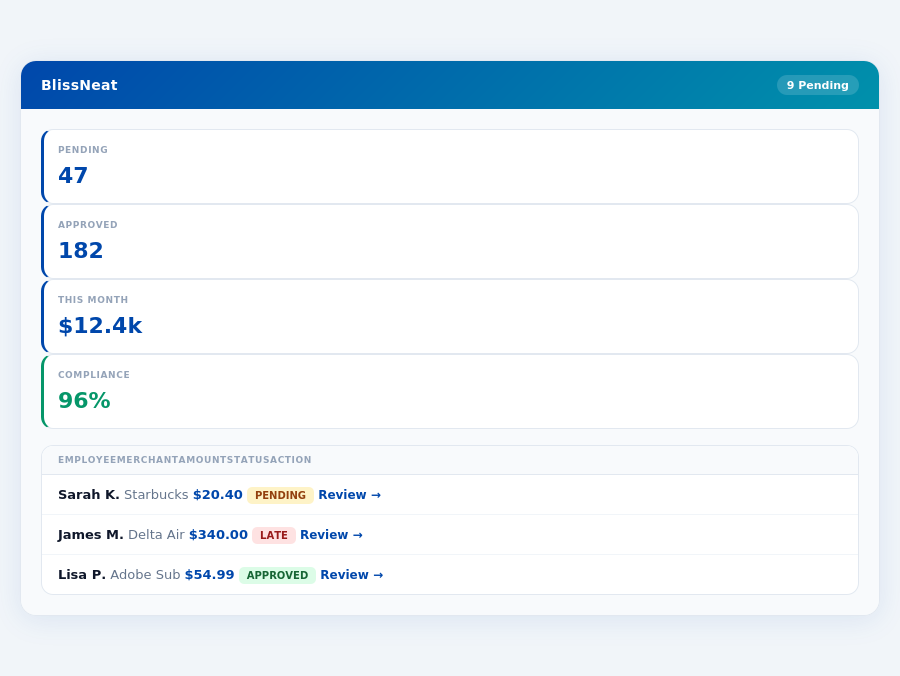
Manual expense approval processes can be time-consuming and costly. According to recent studies, the average employee spends around 4.2 hours per week on expense reporting and approval tasks. This translates to a significant amount of time and resources that could be better spent on core business activities.
In addition to the time spent on manual expense processes approval, there are also costs associated with errors and non-compliance. Manual processes are prone to errors, with an average error rate of 20-30%. These errors can lead to delayed reimbursements, lost productivity, and even financial losses.
Policy Compliance: AI vs Manual
One of the most significant benefits of AI-powered expense approval is improved policy compliance. Manual processes often rely on human interpretation and judgment, which can lead to inconsistent application of company policies. In contrast, AI-powered systems can be programmed to enforce policies consistently and accurately, resulting in a significant reduction in errors and non-compliance.
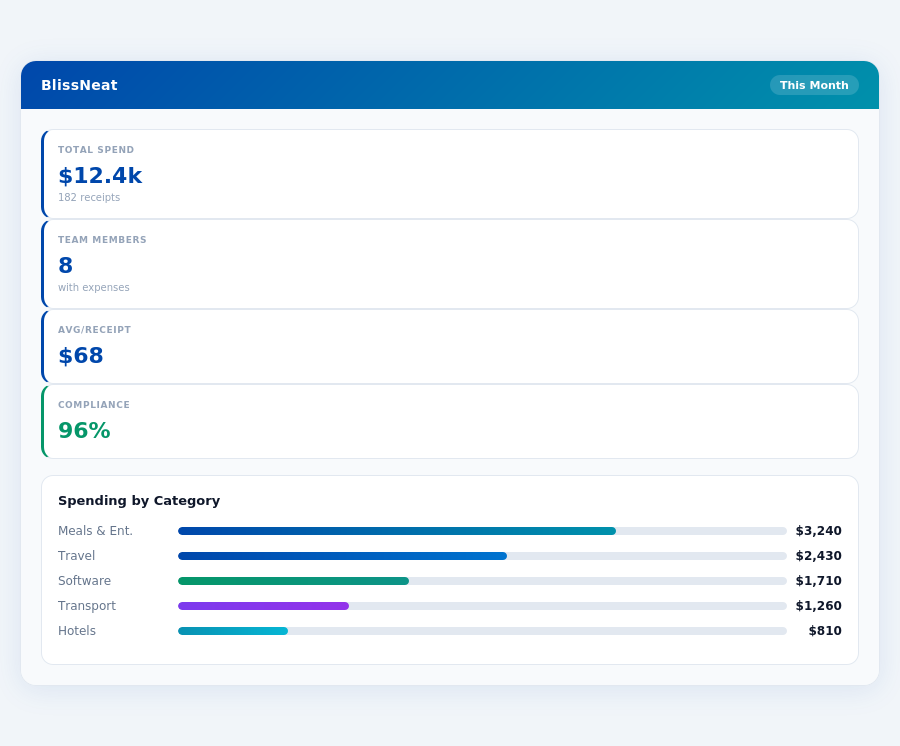
Studies have shown that AI-powered expense approval systems can achieve policy compliance rates of up to 96%, compared to manual processes which average around 62%. This improvement in compliance can help organizations avoid costly errors and reputational damage.
Cost Savings with AI-Powered Expense Approval
By automating expense approval processes with AI, organizations can achieve significant cost savings. According to a recent study, companies that implemented AI-powered expense approval systems saw an average reduction of 30% in expense processing costs.
These cost savings can be attributed to several factors, including:
- Reduced labor costs: AI-powered systems can automate tasks that were previously performed by employees, freeing up staff to focus on higher-value tasks.
- Improved accuracy: AI-powered systems can reduce errors and non-compliance, resulting in fewer costly corrections and rework.
- Enhanced policy enforcement: AI-powered systems can enforce company policies consistently and accurately, reducing the risk of costly errors and reputational damage.
A Transition Guide to AI-Powered Expense Approval
If you're considering transitioning to an AI-powered expense approval system, here are some steps to follow:
Step 1: Assess Your Current Process
Take a close look at your current expense approval process and identify areas for improvement. Consider factors such as:
- Time spent on expense reporting and approval
- Error rates and non-compliance
- Policy enforcement and consistency
Step 2: Choose an AI-Powered Solution
Research and select an AI-powered expense approval system that meets your organization's needs. Consider factors such as:
- Ease of use and implementation
- Integration with existing systems and processes
- Customization and flexibility
- Security and compliance
Step 3: Configure and Customize
Configure and customize your chosen AI-powered solution to meet your organization's specific needs. This may include:
- Setting up policies and rules
- Defining approval workflows and hierarchies
- Integrating with existing systems and processes
Step 4: Train and Support
Provide training and support to employees to ensure a smooth transition to the new AI-powered expense approval system. This may include:
- User guides and tutorials
- Training sessions and workshops
- Ongoing support and maintenance
Step 5: Monitor and Evaluate
Monitor and evaluate the performance of your AI-powered expense approval system, making adjustments and improvements as needed. This may include:
- Tracking key performance indicators (KPIs)
- Conducting regular audits and reviews
- Gathering feedback from employees and stakeholders
By following these steps, you can successfully transition to an AI-powered expense approval system and start realizing the benefits of improved policy compliance, cost savings, and increased productivity.
Related articles
Related articles
Stop losing 4+ hours a week
30-day free trial · No credit card · Setup in 15 minutes