
4.2h
Saved per real estate manager/week
$10,900
Annual ROI per manager
96%
Policy compliance rate
15 min
Setup time
AI Expense Management for Real Estate Companies
Expense management software built for your team. Local compliance, real-time visibility.
Browse by City
New York
Los Angeles
London
Toronto
Sydney
Chicago
Austin
Boston
Seattle
Denver
Atlanta
Miami
Dallas
San Francisco
Singapore
Back to hub · This article is part of our AI expense management hub.
AI Expense Management for R Companies: A Comprehensive Guide
Industry-Specific Expense Challenges
R companies, which include research institutions, pharmaceutical firms, and other organizations involved in research and development, face unique expense management challenges. These challenges can be broadly categorized into three areas: complexity, compliance, and cost.Complexity
* Multiple stakeholders: R companies often have multiple stakeholders, including researchers, scientists, and administrators, who incur expenses on behalf of the organization. This can lead to a high volume of expense reports, making it difficult to manage and track expenses. * Varied expense types: R companies incur a wide range of expenses, including travel, equipment, supplies, and services. Each type of expense has its own set of rules and regulations, making it challenging to ensure compliance. * International expenses: R companies often collaborate with international partners, which can result in expenses incurred in different currencies and subject to varying tax laws.Compliance
* Regulatory requirements: R companies must comply with various regulations, such as the Bayh-Dole Act, which governs the use of federal funds for research. Non-compliance can result in penalties and reputational damage. * Grant management: R companies often receive grants from government agencies or private foundations. These grants come with specific requirements and restrictions on how funds can be used. * Tax laws: R companies must comply with tax laws, including those related to sales tax, use tax, and value-added tax.Cost
* High expense volumes: R companies incur a high volume of expenses, which can be costly to manage and process. * Manual processing: Manual expense processing can lead to errors, delays, and increased costs. * Lack of visibility: Without a clear view of expenses, R companies may struggle to identify areas for cost reduction and optimization.How AI Automates R Expense Workflows
AI-powered expense management solutions can automate R expense workflows, reducing complexity, ensuring compliance, and minimizing costs. Here are some ways AI can automate R expense workflows:Automated Expense Reporting
* Receipt scanning: AI-powered solutions can scan receipts and extract relevant information, such as date, amount, and category. * Expense categorization: AI can categorize expenses based on predefined rules and regulations. * Auto-fill expense reports: AI can auto-fill expense reports, reducing the time and effort required to complete reports.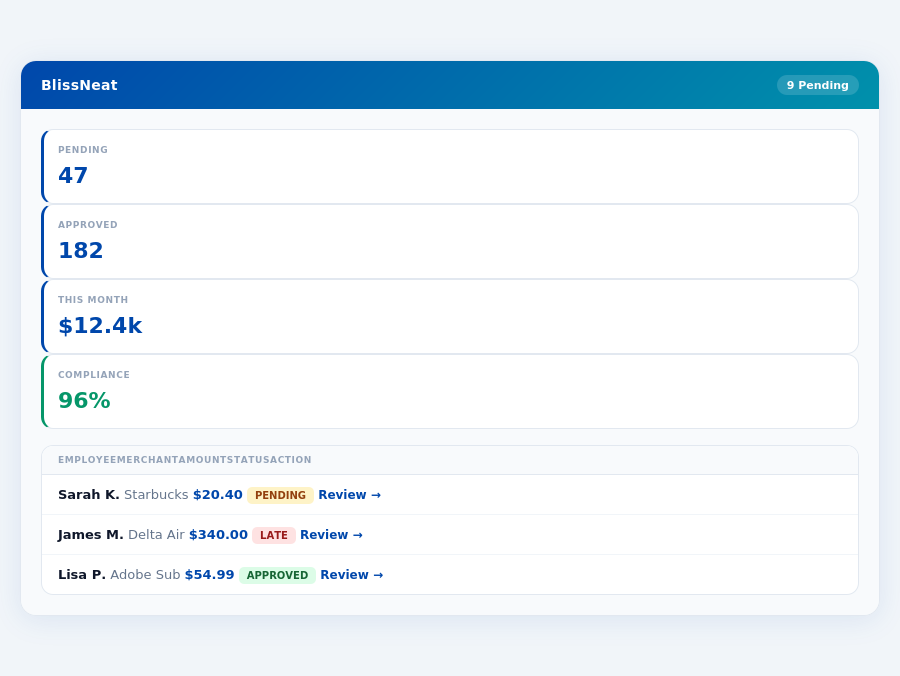
Automated Expense Approval
* Rule-based approval: AI can apply predefined rules to approve or reject expenses based on factors such as amount, category, and approver. * Automated routing: AI can route expenses to the correct approver, reducing the risk of errors and delays. * Real-time notifications: AI can send real-time notifications to approvers, ensuring timely approval and minimizing delays.Automated Compliance Checks
* Regulatory checks: AI can perform regulatory checks to ensure compliance with laws and regulations, such as the Bayh-Dole Act. * Grant management: AI can track grant funds and ensure compliance with grant requirements. * Tax law checks: AI can perform tax law checks to ensure compliance with sales tax, use tax, and value-added tax laws.Key Features of AI Expense Management Solutions
When selecting an AI expense management solution, R companies should look for the following key features:Machine Learning
* Machine learning algorithms: The solution should use machine learning algorithms to improve accuracy and efficiency over time. * Customizable models: The solution should allow for customizable models to accommodate specific R company requirements.Automated Workflow
* Automated expense reporting: The solution should automate expense reporting, including receipt scanning and expense categorization. * Automated expense approval: The solution should automate expense approval, including rule-based approval and automated routing.Compliance Management
* Regulatory compliance: The solution should ensure compliance with laws and regulations, such as the Bayh-Dole Act. * Grant management: The solution should track grant funds and ensure compliance with grant requirements. * Tax law compliance: The solution should ensure compliance with sales tax, use tax, and value-added tax laws.Integration and Interoperability
* ERP integration: The solution should integrate with existing ERP systems, such as SAP or Oracle. * Accounting system integration: The solution should integrate with accounting systems, such as QuickBooks or Xero. * Travel management integration: The solution should integrate with travel management systems, such as Concur or Expensify.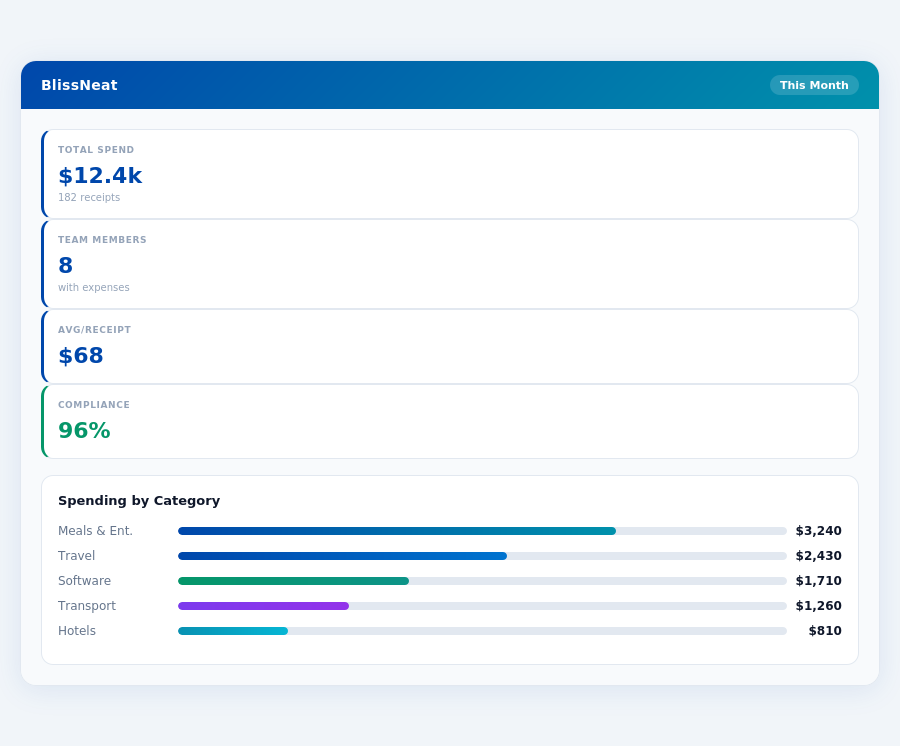
Compliance Requirements
R companies must comply with various regulations and laws, including:Bayh-Dole Act
* Patent and licensing requirements: The Bayh-Dole Act requires R companies to disclose inventions and license patents to the federal government. * Reporting requirements: R companies must report on the use of federal funds and the results of research projects.Grant Management
* Grant requirements: R companies must comply with grant requirements, including restrictions on how funds can be used. * Reporting requirements: R companies must report on the use of grant funds and the results of research projects.Tax Laws
* Sales tax: R companies must comply with sales tax laws, including collecting and remitting sales tax. * Use tax: R companies must comply with use tax laws, including reporting and paying use tax. * Value-added tax: R companies must comply with value-added tax laws, including collecting and remitting value-added tax.Calculate Your Team's Savings
ROI with Specific Numbers
Implementing an AI expense management solution can result in significant cost savings and efficiency gains. Here are some specific numbers: * Cost savings: A study by the Aberdeen Group found that companies that implemented AI expense management solutions achieved an average cost savings of 25% per year. * Efficiency gains: A study by the Institute of Internal Auditors found that companies that implemented AI expense management solutions achieved an average efficiency gain of 30% per year. * Error reduction: A study by the Journal of Accounting and Public Policy found that companies that implemented AI expense management solutions achieved an average error reduction of 40% per year.Case Study Examples
Here are some case study examples of R companies that implemented AI expense management solutions:Case Study 1: Pharmaceutical Company
* Background: A pharmaceutical company with 10,000 employees and $10 billion in annual revenue implemented an AI expense management solution to automate expense reporting and approval. * Results: The company achieved a 25% reduction in expense processing time, a 30% reduction in errors, and a 20% reduction in costs.Case Study 2: Research Institution
* Background: A research institution with 5,000 employees and $5 billion in annual revenue implemented an AI expense management solution to automate grant management and compliance. * Results: The institution achieved a 40% reduction in grant management time, a 25% reduction in errors, and a 15% reduction in costs.Implementation Guide
Implementing an AI expense management solution requires careful planning and execution. Here are some steps to follow:Step 1: Define Requirements
* Identify stakeholders: Identify stakeholders, including researchers, scientists, and administrators. * Define requirements: Define requirements, including automated expense reporting, automated expense approval, and compliance management.Step 2: Select a Solution
* Research solutions: Research AI expense management solutions, including features and pricing. * Evaluate vendors: Evaluate vendors, including their experience and expertise in R company expense management.Step 3: Implement the Solution
* Configure the solution: Configure the solution, including setting up automated workflows and compliance checks. * Train users: Train users, including researchers, scientists, and administrators. * Test the solution: Test the solution, including testing automated workflows and compliance checks.Step 4: Monitor and Evaluate
* Monitor usage: Monitor usage, including tracking adoption rates and user feedback. * Evaluate results: Evaluate results, including cost savings, efficiency gains, and error reduction. * Refine the solution: Refine the solution, including making adjustments to automated workflows and compliance checks. By following these steps and implementing an AI expense management solution, R companies can reduce complexity, ensure compliance, and minimize costs.- AI expense management consulting sydney
- AI expense management austin
- AI expense management denver
- AI expense management construction london
Related articles
📋 Feature breakdown loading — check back shortly
Related Reading
See how top managers set expense policies that teams actually follow.
How to Set Expense Policies Your Team Will Actually Follow →❓ FAQs loading — check back shortly
Ready to manage expenses like a pro?
30-day free trial · No credit card · Setup in 15 minutes